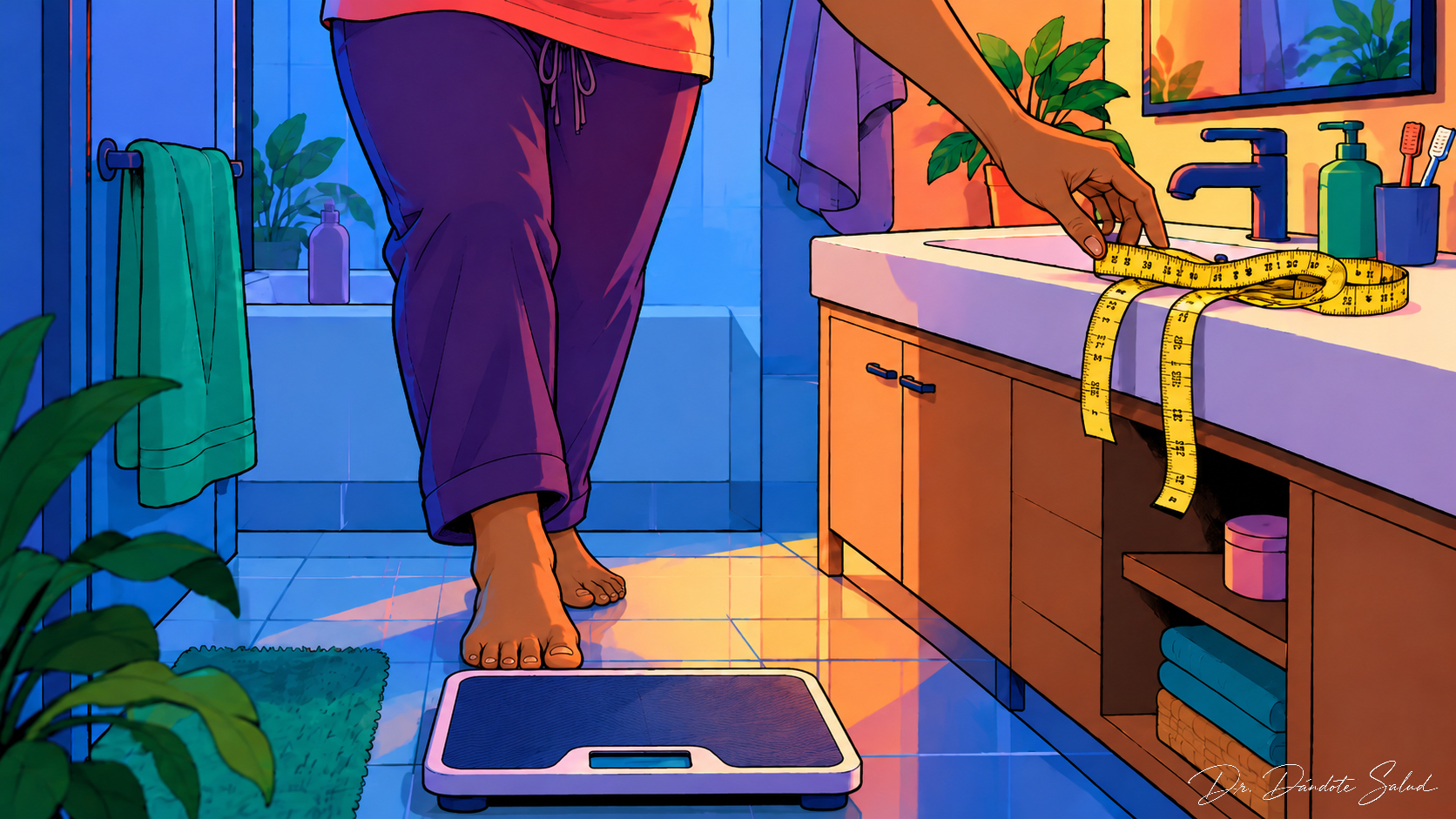
At 37, I often catch myself looking in the mirror and asking quietly, “Is this really what a good life is supposed to feel like?” Maybe you’ve asked yourself the same thing. You might have a job, responsibilities, maybe a few new gray hairs… but also tiredness, worries, and a sense of running on autopilot. And somewhere in the middle of all that, a quiet intuition appears: there has to be more than paying bills and just getting through the day.
Quick summary:
- A good life is not just about success, money, or achievements: it rests on warm relationships, a sense of purpose, and caring for both your body and your mind.
- Science shows that loneliness and social isolation increase disease and death risk as much as other classic risk factors, while purpose and healthy lifestyle behaviors protect your heart, your brain, and your longevity.
- Facing meaningful challenges, practicing gratitude and mindfulness, and finding a real balance between work, leisure, and personal passions build resilience and well-being.
- Action for today: choose one important relationship and take a concrete step to nurture it (a real phone call, a heartfelt message, or a walk-and-talk invitation).
1. Why talk about “a good life” now?
This isn’t just a philosophical question. It’s a very practical health question.
We know that loneliness and social isolation raise all-cause mortality by about 26–28%, and persistent loneliness can increase that risk by up to 57% (Crowe et al., 2021). Being disconnected from others weighs on your health almost as much as smoking, obesity, or physical inactivity.
These effects are not only emotional. Isolation is linked to higher inflammation, worse blood pressure, and faster biological aging (Yang et al., 2016; Crowe et al., 2021). The American Heart Association already recognizes loneliness and isolation as independent risk factors for worse cardiovascular and brain health (Cené et al., 2022).
At the same time, people who feel their lives are meaningful –that their daily activities matter and contribute to something beyond themselves– show lower mortality, fewer cardiovascular events, and better mental and physical health (Levine et al., 2021; Steptoe & Fancourt, 2019, 2020).
In other words, we’re not just talking about feeling good. We’re talking about living longer and better.
2. What does science say a “good life” is made of?
2.1. Warm relationships at the center
- Loneliness and social isolation increase mortality, cardiovascular disease, mental health problems, and health-care use (Crowe et al., 2021; Morrish et al., 2024).
- Loneliness is more strongly linked to overall health than network size alone (Rico-Uribe et al., 2015).
- Positive family relationships in childhood and adolescence predict better health and happiness in midlife (Ramos et al., 2022).
- Having around five close relationships (friends or family) seems to be an optimal number for mental and physical health (Dunbar, 2025).
It’s not about having hundreds of contacts. It’s about having a handful of people with whom you can be deeply yourself.
2.2. Purpose and contributing beyond yourself
A meta-analysis of over 130,000 people found that greater sense of purpose is linked to a 17% lower risk of mortality and cardiovascular events (Levine et al., 2021).
Feeling that your activities are worthwhile is associated with:
- Better mental and physical health.
- Less chronic pain and disability.
- More favorable biological markers (less inflammation, better cholesterol).
- Healthier lifestyles (Steptoe & Fancourt, 2019, 2020).
Prosocial activities –helping, caring, volunteering– are especially powerful: more than 80% of studies show benefits for health, less depression, more physical activity, and better biomarkers (Byrne et al., 2023; Kim et al., 2020). That sense of “what I do makes a difference for someone else” fuels motivation, mood, and meaning (Martela & Ryan, 2016; Kang et al., 2018).
2.3. Body and mind: one system
The American Heart Association talks about the mind-heart-body connection: there is no physical health without mental health, and no mental health without the body (Levine et al., 2021).
- Regular physical activity reduces the risk of depression (OR ≈ 0.77) and anxiety disorders (OR ≈ 0.71) (Rahmati et al., 2024).
- Exercise buffers stress by improving stress hormone responses, lowering inflammation, and protecting against chronic disease (Silverman & Deuster, 2014; White et al., 2024).
- When mental health is poor, lifestyle behaviors like eating, moving, and sleeping usually deteriorate, creating a vicious cycle and increasing disease risk (Zheng et al., 2023).
- In young adults, sleep quality is the strongest predictor of well-being, followed by fruit and vegetable intake and physical activity (Cooper et al., 2025).
A good life, then, requires caring for your mind and your body as one team.
2.4. Growing through challenges instead of breaking
Life’s challenges can strengthen you or wear you down, depending on how you interpret and process them.
- Challenge stressors (worthwhile demands) are linked with higher resilience, while chronic hindrances erode it (Crane & Searle, 2016).
- The Systematic Self-Reflection Model highlights how reflecting on your coping experiences builds resources, better emotion regulation, and resilient beliefs (Crane et al., 2018; Bucknell et al., 2024).
- Seeing abilities as developable (a learning orientation) protects self-esteem after failure (Niiya et al., 2004; Crocker et al., 2006).
- Self-compassion –treating yourself kindly when you fall short– is associated with using “desirable difficulties” that stretch you and help you grow (Wagner et al., 2017).
Falling down is not the core problem. Refusing to learn from the fall usually is.
2.5. Gratitude and mindfulness: sharpening your attention
Gratitude and mindfulness are not slogans; they are attention-training practices that reshape your daily experience.
- A meta-analysis of 145 studies showed that gratitude interventions significantly increase well-being, especially positive affect (Choi et al., 2025).
- Writing daily gratitude lists for 14 days increased happiness and life satisfaction and reduced depressive symptoms (Cunha et al., 2019).
- Dispositional gratitude has even been linked with lower mortality in older women (Chen et al., 2024).
- Brief self-guided mindfulness interventions reduce depression, anxiety, and stress and increase quality of life (Taylor et al., 2021).
- Mindfulness is associated with less stress, more compassion, and a lower likelihood of having cardiovascular risk factors (Levine et al., 2021).
Combining gratitude and mindfulness seems especially effective: both reduce depression and stress and increase happiness and life satisfaction (O’Leary & Dockray, 2015; Cheung & Lau, 2021; Ali et al., 2022).
2.6. Balancing work, leisure, and passions
It’s not enough to work hard or to “rest when everything is done.”
- Leisure facilitates both work and family life, and when it conflicts with them, well-being suffers (Knecht et al., 2016).
- Leisure satisfaction predicts future increases in subjective well-being (Kuykendall et al., 2015).
- Cultural, social, home-based, and physically active leisure activities are linked with flourishing, whereas excessive screen time is related to languishing (Mock & Smale, 2023).
- Having hobbies buffers the negative effects of very long working hours on depression and mental distress (Li et al., 2019).
- Harmonious passion (you love an activity but it doesn’t control you) is associated with better physical and psychological health than obsessive passion (Briki, 2016; Schellenberg et al., 2019).
A good life is not just productive. It also includes play, curiosity, and creativity.
3. How can you start building a good life today?
You don’t need to fix everything this month. What really matters is choosing your next few steps well.
3.1. Relationships: strengthen your “five key connections”
- List 3–5 important people in your life (family, friends, partner, community).
- For each one, ask yourself:
- What honest conversation is overdue?
- How can I show care or interest this week?
- Choose one concrete action per person: a real phone call, a longer message, a simple invitation (coffee, a walk, cooking together).
- Put these actions in your calendar as you would any important appointment.
3.2. Purpose: align your days with your values
- Write down three core values (for example: family, service, creativity, faith, learning).
- Ask: “What small action this week reflects these values?”
- If you value family: a screen-free dinner with real conversation.
- If you value service: an hour of volunteering or helping a neighbor.
- If you value creativity: 30 minutes of writing, painting, or playing music.
- Schedule at least one prosocial action each month (formal or informal volunteering).
3.3. Body and mind: your minimum lifestyle plan
Think of these four pillars as your base prescription:
- Movement
- Realistic goal: 20–30 minutes of brisk walking most days.
- If you already exercise, add variety (strength, flexibility, joyful activities).
- Sleep
- Approximate regular bedtime and wake time.
- Less bright screens in the last hour before bed.
- Simple wind-down ritual: light reading, breathing, gentle stretching.
- Nutrition
- More whole foods: fruits, vegetables, whole grains, legumes, nuts.
- Less ultra-processed foods, sugary drinks, and added sugars.
- Start with one simple change: add one fruit or vegetable to two meals a day.
- Stress
- Identify one stressor you can actually influence (for example, screen overload or lack of time boundaries).
- Create a specific boundary: email cut-off time, social media limits, short breaks during work.
3.4. Challenges: reflect and practice self-compassion
When something goes wrong this week:
- Grab a pen and answer three questions:
- What happened?
- What did I do that helped, even a little?
- What would I try differently next time?
- Talk to yourself as you would to a close friend: firmly, but kindly –no insults, no contempt.
- Ask: “What can I learn from this that moves me toward the life I want?”
3.5. Gratitude and mindfulness, simplified
- Each night, write down three things you feel grateful for. They don’t have to be big: a warm meal, a kind message, a moment of laughter.
- Three times a day, use this micro-pause:
- Inhale through your nose to a count of 4.
- Hold for 4 seconds.
- Exhale gently through your mouth to a count of 6.
- Repeat 3 times, paying attention to sensations in your body.
3.6. Leisure and passions: schedule what fills you up
- Make a list of activities you enjoy that are not outcome-based (painting, dancing, reading for pleasure, gardening, playing music, being in nature).
- Block at least two 30–60-minute slots in your week for one of those activities.
- Ask yourself: “Does this passion add to my life, or does it control it?”
- If it energizes you and doesn’t break other areas (sleep, relationships, work), it’s likely a harmonious passion.
4. What if you cared for these areas over the next 10 years?
We can’t control everything that happens to us. Illness, loss, economic changes, and unexpected turns are part of the journey. But we can influence how those events find us.
Picture yourself ten years from now:
- With 3–5 deep relationships where you feel seen and loved.
- With a stronger body and a calmer mind, not perfect but more trained.
- With a clear sense of “I know why I get up in the morning.”
- With hobbies that bring you joy and routines that hold you.
- With the ability to look back at your failures as turning points, not life sentences.
The quote attributed to Jean de La Fontaine says:
“Our destiny is frequently met in the very paths we take to avoid it.”
We can’t choose every twist in the road, but we can choose the general direction: toward connection, purpose, self-care, and contribution, or toward isolation, autopilot, and resignation.
Working on these areas is not about blaming yourself for what’s missing, but about inspiring yourself to shape, step by step, a fuller and healthier life.
One small closing challenge
Here’s my invitation:
Choose one of these areas –relationships, purpose, mind–body health, handling challenges, gratitude, or leisure– and write down one concrete action you’ll take this week.
And if you feel comfortable, share it in the blog:
- Which area feels most neglected right now?
- What small step will you take in the next 7 days?
Your story can help someone else recognize that they’re not alone on this winding road toward a good life.
Scientific sources
Relationships and loneliness
- Crowe CL, Domingue BW, Graf GH, et al. Associations of Loneliness and Social Isolation With Health Span and Life Span in the U.S. Health and Retirement Study. J Gerontol A. 2021.
- Yang YC, Boen C, Gerken K, et al. Social Relationships and Physiological Determinants of Longevity Across the Human Life Span. PNAS. 2016.
- Cené CW, Beckie TM, Sims M, et al. Effects of Objective and Perceived Social Isolation on Cardiovascular and Brain Health: A Scientific Statement From the American Heart Association. J Am Heart Assoc. 2022.
- Hawkley LC, Capitanio JP. Perceived Social Isolation, Evolutionary Fitness and Health Outcomes: A Lifespan Approach. Philos Trans R Soc B. 2015.
- Akinyemi O, Abdulrazaq W, Fasokun M, et al. The Impact of Loneliness on Depression, Mental Health, and Physical Well-Being. PLoS One. 2025.
- Rico-Uribe LA, Caballero FF, Olaya B, et al. Loneliness, Social Networks, and Health: A Cross-Sectional Study in Three Countries. PLoS One. 2015.
- Ramos MC, Cheng CE, Preston KSJ, et al. Positive Family Relationships Across 30 Years: Predicting Adult Health and Happiness. J Fam Psychol. 2022.
- Dunbar RIM. Why Friendship and Loneliness Affect Our Health. Ann N Y Acad Sci. 2025.
- Morrish N, Spencer A, Medina-Lara A. How Loneliness Relates to Health, Wellbeing, Quality of Life, and Healthcare Resource Utilisation and Costs Across Multiple Age Groups in the UK. PLoS One. 2024.
Purpose and contribution
- Levine GN, Cohen BE, Commodore-Mensah Y, et al. Psychological Health, Well-Being, and the Mind-Heart-Body Connection: A Scientific Statement From the American Heart Association. Circulation. 2021.
- Steptoe A, Fancourt D. Leading a Meaningful Life at Older Ages… PNAS. 2019.
- Steptoe A, Fancourt D. An Outcome-Wide Analysis of Bidirectional Associations Between Changes in Meaningfulness of Life and Health… Sci Rep. 2020.
- Byrne M, Tan RKJ, Wu D, et al. Prosocial Interventions and Health Outcomes: A Systematic Review and Meta-Analysis. JAMA Netw Open. 2023.
- Kim ES, Whillans AV, Lee MT, et al. Volunteering and Subsequent Health and Well-Being in Older Adults. Am J Prev Med. 2020.
- Martela F, Ryan RM. The Benefits of Benevolence: Basic Psychological Needs, Beneficence, and the Enhancement of Well-Being. J Pers. 2016.
- Kang Y, Cooper N, Pandey P, et al. Effects of Self-Transcendence on Neural Responses to Persuasive Messages and Health Behavior Change. PNAS. 2018.
Mind-heart-body and lifestyle
- Moeti M, Gao GF, Herrman H. Global Pandemic Perspectives: Public Health, Mental Health, and Lessons for the Future. Lancet. 2022.
- Silverman MN, Deuster PA. Biological Mechanisms Underlying the Role of Physical Fitness in Health and Resilience. Interface Focus. 2014.
- Rahmati M, Lee S, Yon DK, et al. Physical Activity and Prevention of Mental Health Complications: An Umbrella Review. Neurosci Biobehav Rev. 2024.
- Zheng S, Edney SM, Goh CH, et al. Effectiveness of Holistic Mobile Health Interventions… EClinicalMedicine. 2023.
- White RL, Vella S, Biddle S, et al. Physical Activity and Mental Health: A Systematic Review and Best-Evidence Synthesis of Mediation and Moderation Studies. Int J Behav Nutr Phys Act. 2024.
- Cooper JRH, Turner RS, Conner TS. From Surviving to Thriving: How Sleep, Physical Activity, and Diet Shape Well-Being in Young Adults. PLoS One. 2025.
Hardships, failure and resilience
- Crane MF, Searle BJ. Building Resilience Through Exposure to Stressors: The Effects of Challenges Versus Hindrances. J Occup Health Psychol. 2016.
- Crane MF, Searle BJ, Kangas M, Nwiran Y. How Resilience Is Strengthened by Exposure to Stressors: The Systematic Self-Reflection Model of Resilience Strengthening. Anxiety Stress Coping. 2018.
- Bucknell KJ, Kangas M, Karin E, Crane MF. A Randomized Controlled Trial… on Resilience. Stress Health. 2024.
- Niiya Y, Crocker J, Bartmess EN. From Vulnerability to Resilience: Learning Orientations Buffer Contingent Self-Esteem From Failure. Psychol Sci. 2004.
- Crocker J, Brook AT, Niiya Y, Villacorta M. The Pursuit of Self-Esteem… J Pers. 2006.
- Dodgson PG, Wood JV. Self-Esteem and the Cognitive Accessibility of Strengths and Weaknesses After Failure. J Pers Soc Psychol. 1998.
- Johnson J, Panagioti M, Bass J, et al. Resilience to Emotional Distress in Response to Failure… Clin Psychol Rev. 2017.
- Seidel L, Cawley EI, Blanchard C. Enduring Education and Employment: Examining Motivation and Mechanisms of Psychological Resilience. Scand J Psychol. 2024.
- Wagner LK, Schindler S, Reinhard MA. The Positive Facet of Self-Compassion… Front Psychol. 2017.
Gratefulness and mindfulness
- Choi H, Cha Y, McCullough ME, Coles NA, Oishi S. A Meta-Analysis of the Effectiveness of Gratitude Interventions on Well-Being Across Cultures. PNAS. 2025.
- Cunha LF, Pellanda LC, Reppold CT. Positive Psychology and Gratitude Interventions: A Randomized Clinical Trial. Front Psychol. 2019.
- Wood AM, Froh JJ, Geraghty AW. Gratitude and Well-Being: A Review and Theoretical Integration. Clin Psychol Rev. 2010.
- Chen Y, Okereke OI, Kim ES, et al. Gratitude and Mortality Among Older US Female Nurses. JAMA Psychiatry. 2024.
- Liao KY, Weng CY. Gratefulness and Subjective Well-Being… J Couns Psychol. 2018.
- Taylor H, Strauss C, Cavanagh K. Can a Little Bit of Mindfulness Do You Good? Clin Psychol Rev. 2021.
- Kosugi T, Ninomiya A, Nagaoka M, et al. Effectiveness of Mindfulness-Based Cognitive Therapy… Front Psychol. 2021.
- Mora Álvarez MG, Hölzel BK, Bremer B, et al. Effects of Web-Based Mindfulness Training… Sci Rep. 2023.
- O’Leary K, Dockray S. The Effects of Two Novel Gratitude and Mindfulness Interventions on Well-Being. J Altern Complement Med. 2015.
- Cheung RYM, Lau EN. Is Mindfulness Linked to Life Satisfaction? Front Psychol. 2021.
- Ali SB, Ahmad MJ, Ramzan I, et al. Exploring the Nexus Between Mindfulness, Gratitude, and Wellbeing Among Youth… Front Psychol. 2022.
Leisure, hobbies, and work–life balance
- Knecht M, Wiese BS, Freund AM. Going Beyond Work and Family: A Longitudinal Study on the Role of Leisure in the Work-Life Interplay. J Organ Behav. 2016.
- Wong KP, Lee FCH, Teh PL, Chan AHS. The Interplay of Socioecological Determinants of Work-Life Balance…Int J Environ Res Public Health. 2021.
- Fancourt D, Aughterson H, Finn S, Walker E, Steptoe A. How Leisure Activities Affect Health: A Narrative Review… Lancet Psychiatry. 2021.
- Kuykendall L, Tay L, Ng V. Leisure Engagement and Subjective Well-Being: A Meta-Analysis. Psychol Bull. 2015.
- Elsden E, Bu F, Fancourt D, Mak HW. Frequency of Leisure Activity Engagement and Health Functioning… BMC Public Health. 2022.
- Mock SE, Smale B. The Relationship of Diverse Leisure Activities With Flourishing. Front Psychol. 2023.
- Li Z, Dai J, Wu N, et al. Effect of Long Working Hours on Depression and Mental Well-Being… Int J Environ Res Public Health. 2019.
- Briki W. Passion, Trait Self-Control, and Wellbeing: Comparing Two Mediation Models… Front Psychol. 2016.
- Schellenberg BJI, Verner-Filion J, Gaudreau P, et al. Testing the Dualistic Model of Passion Using a Novel Quadripartite Approach… J Pers. 2019.
Additional methodological reference
- Shokeir AA. How to write a medical original article: Advice from an Editor. Arab J Urol. 2014.
🌍 This article is also available in Spanish. Please use the language switcher in the top menu.
Discover more from Dr. Dándote Salud
Subscribe to get the latest posts sent to your email.