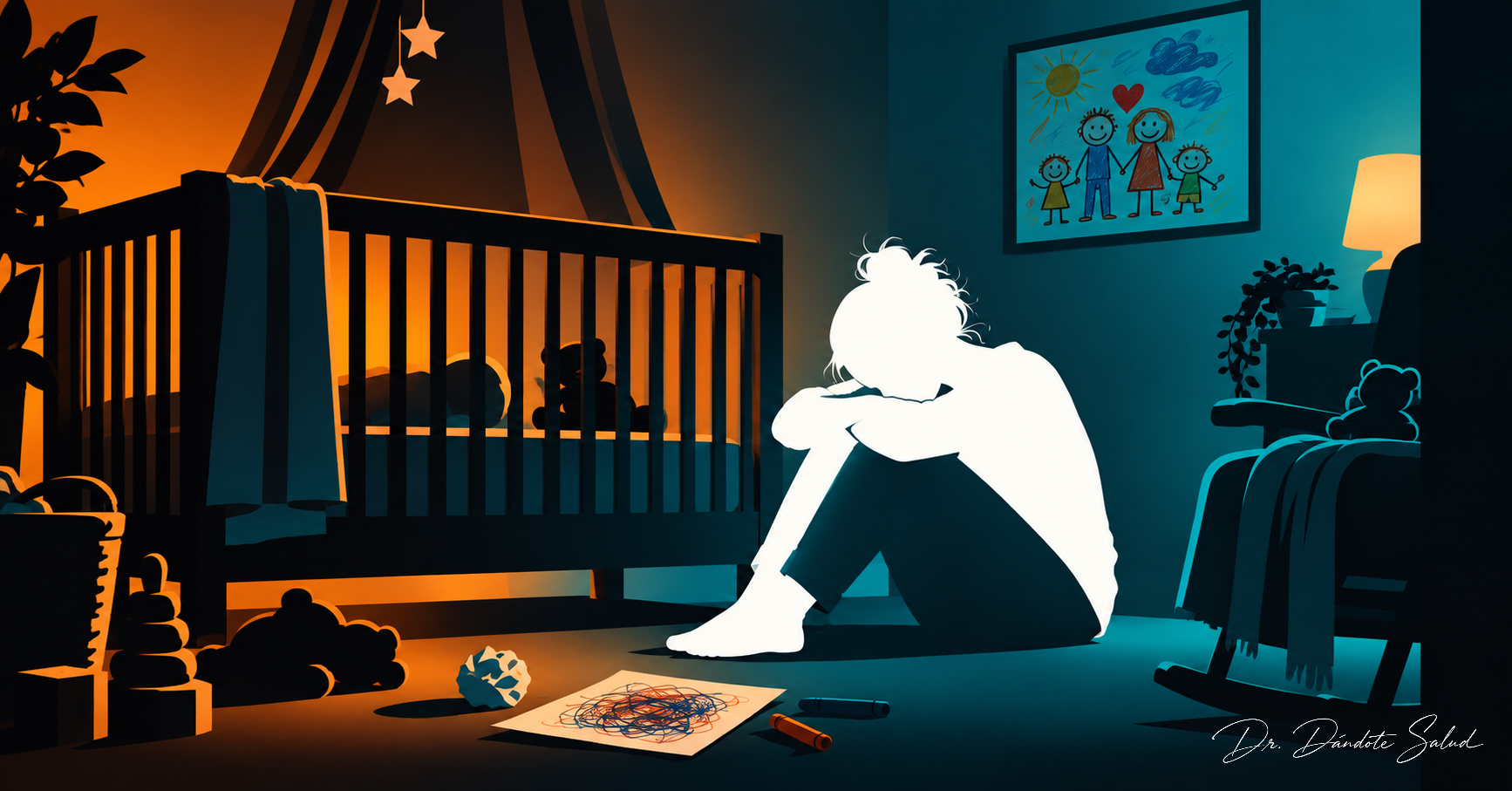
You know a walk would do you good. You thought about it this morning and may have even put your shoes by the door. But it is nine at night, dinner is finally done, and all you want is to sit down. The walk moves to tomorrow.
It is tempting to call this a lack of discipline. Yet knowing what to do and making it repeatable in ordinary life are different tasks. In that moment, immediate relief or reward competes with a benefit that may arrive later. Familiar responses, fatigue, and whatever time and support you have left also shape the decision. The brain is part of the story; your schedule and surroundings are part of it, too.
In my own life, a change in weight was visible. The more meaningful change was learning to live with greater intention toward the life I wanted. I hear a similar distinction in conversations about health with patients, friends, family, and people online: they often know the recommendation. The challenge is finding a place for it in the life they actually lead.
The essentials in 5 lines
- A sincere intention does not tell you when, where, or how you will act.
- Immediate rewards and familiar routines can outweigh a later benefit, especially when you are tired or the first step is hard.
- Repeating a small action in response to a recognizable cue can make starting require less deliberation.
- A missed opportunity does not erase progress; decide how you will return.
- If the difficulty is affecting several parts of your life, a habit plan may not be enough.
What people describe when “try harder” has not helped
The comments we gathered from our readers for this article reveal a familiar frustration: knowing what to do but struggling to put it into practice. One person had read books about habits and taken notes on cues and routines, yet still struggled to get started in the morning. Another described how the shame of putting off a task increased their anxiety, making it even harder to begin. Someone else knew how to lose weight but struggled to keep it off.
The surroundings could make change harder, too. One person was trying to change their eating habits while free snacks and desserts were on display at work every day. They knew what they wanted to eat, but faced the same decision repeatedly in a setting that made it easy to choose something else.
These accounts are not a survey and do not represent everyone trying to change. They cannot establish whether someone has a medical condition. They do, however, illustrate how “I know what I should do” can point to very different obstacles. One person may need a clear moment to begin; another may be seeking relief from stress. Others may need time, help at home, or a practical way to start again after an interruption.
Before urging someone to be more consistent, it helps to listen. If you know what to do but struggle to follow through, ask: What happens right before the plan falls apart?
What happens between a good intention and action?
Researchers call this the intention–behavior gap. In a review covering different kinds of behavior, intentions explained about 18% to 23% of the variation in what people did. That does not mean an intention is “23% effective” for any given person. It describes what those analyses could explain. Wanting to care for your health matters, but it leaves other questions unanswered.
Consider “I’m going to move more.” It points toward a goal without identifying an opportunity. When evening comes, you still have to decide when to go, for how long, and what to do if a meeting runs late. Meanwhile, sitting down offers relief right now. The longer-term health benefits of moving are less visible that night.
Neurobiology can help remove some moral blame from this moment. Processes involved in reward, attention, and control all matter when immediate comfort competes with a valued long-term goal. That is a useful way to describe part of the tension, not proof that two separate brains are fighting or that someone has no willpower. You have not forgotten what you know; cues, feelings, and competing needs also influence the choice. We cannot infer what happened in one person’s brain circuits from one missed walk.
The environment can tilt the choice further. A phone next to your pillow takes one movement to check. Going to bed without it requires a decision about where it will stay. A walk may require finding shoes, getting a coat, and leaving home, with another chance to postpone at every step. An established response to a cue—opening an app whenever you feel bored, for example—may begin before the new plan gets a turn.
One practical response is to change the cue, make the first step easier, or find a version that is enjoyable today. Walking with someone you like or listening to something you enjoy does not guarantee consistency. It can give a present benefit to an action whose health payoff builds over time. In a diary study of an eating habit, repeating the behavior, enjoying it, and doing it in a stable context were associated with stronger habits across participants; day-to-day changes did not show the same expected associations. That is a clue about designing routines, not a promise that adding a reward will make every plan work.
How an action becomes easier to repeat
A habit is more than something done on many days. Repetition in similar circumstances can make a cue prompt an action with less deliberation. “After I put away my lunch plate, I’ll go for a walk” gives you a clearer signal than “I’ll walk when I have time.”
In a well-known study, volunteers chose a simple eating, drinking, or activity behavior to repeat in the same context over twelve weeks. The pace at which those actions became more automatic varied widely. Estimates of the time to approach each person’s modeled plateau ranged from 18 to 254 days. The researchers did not observe every participant for 254 days; they modeled the trajectory from the available data. Missing one opportunity did not materially change the process in that study. None of this sets a deadline for you or makes an action worthless while it still takes effort.
An if–then plan links an intention to a specific opportunity: “If I finish lunch, then I’ll walk for ten minutes.” Research summarized by the National Cancer Institute found that such plans improved goal attainment in a range of settings. A sentence in a notebook cannot eliminate pain, an unpredictable work shift, or a lack of safe space. The cue and action must fit your day. If your schedule changes often, an event such as finishing a meal may work better as a cue than a fixed time.
Support can matter, too. An umbrella review found favorable results for planning, monitoring, and social support in some health settings, although the findings did not apply equally to every behavior or population. Asking someone to walk with you, planning shared groceries, or arranging childcare so you can move may remove a real barrier. Sometimes what gets called “discipline” depends on resources a person does not yet have.
A seven-day experiment to find your starting point
Seven days will not establish that a habit has formed. They can show where a plan breaks down. Choose one observable action and treat the week as a chance to learn, not a test of character.
- Name the action. “Walk for ten minutes” offers more direction than “exercise.” Pick an amount that fits your health and circumstances.
- Choose a real cue. “After I clear my dinner plate, I’ll put on my shoes and go outside.” Even if dinner happens at different times, the cue remains recognizable.
- Plan for hard days. If the full walk does not fit, you might go outside for two minutes or move indoors. That keeps the opportunity to begin; it does not provide the same benefit as the activity you originally planned.
- Remove one obstacle. Put your shoes where you can see them, arrange company, or pick a nearby route. Address the friction that actually occurs in your life.
- Plan your return. “If I get home late, I’ll walk after breakfast tomorrow.” A return plan matters as much as a starting plan.
- Record what happened without grading yourself. Did the cue occur? Was there time? Was the action too big? At the end of the week, keep what helped and change one part that did not.
Walking is only an example. If food is your focus, the action might be preparing a simple lunch option. If you want an earlier bedtime, you might put your phone outside the bedroom after brushing your teeth. The “two-minute rule” is a way of making the first step easier; it has not been established as a stand-alone treatment. What matters for a lasting habit is whether your approach can be repeated in the conditions of your real life.
When returning is harder than expected
An interrupted week does not cancel your intention. It may show that your plan depended on unusually easy conditions or that a different need is going unmet. In one of the discussions collected for this article, shame after putting off tasks seemed to make the next attempt even harder. If that sounds familiar, note the obstacle without turning it into a judgment about yourself. Identify a specific next opportunity to try again.
Sometimes the difficulty goes beyond habit design. Depression can involve loss of interest, fatigue, and trouble concentrating or making decisions. Adults with ADHD can have ongoing difficulties with organization, planning, and completing tasks. There are many possible explanations for these experiences, and an online post cannot evaluate yours. If the difficulty persists, affects several areas of life, or comes with significant changes in mood or functioning, talk with a health professional. If the action concerns a medication or treatment plan, get advice before changing it yourself.
Your first useful result may not be a perfect streak. It may be learning that Tuesday evenings leave you drained, your chosen cue never happens, or a walk with company feels more manageable. That information can help you build a way back into the life you already have.
What most often interrupts your habits: time, your surroundings, fatigue, or the feeling that one missed day has ruined the effort? If you want to share your experience as a reader, tell us what you tried and what helped you return, without including private health information.
Choose Health. Choose Life.
Scientific sources
The following sources support the information above and are available for readers who want to learn more.
Key readings
- Conner M, Norman P. Understanding the intention-behavior gap: The role of intention strength. Front Psychol.2022;13:923464. doi:10.3389/fpsyg.2022.923464.
- Lally P, van Jaarsveld CHM, Potts HWW, et al. How are habits formed: Modelling habit formation in the real world. Eur J Soc Psychol. 2010;40:998–1009. doi:10.1002/ejsp.674.
- Kilb M, Labudek S. Effects of behavioral performance, intrinsic reward value, and context stability on the formation of a higher-order nutrition habit: an intensive longitudinal diary study. Int J Behav Nutr Phys Act.2022;19:105. doi:10.1186/s12966-022-01343-8.
Additional scientific sources
- Gollwitzer PM, Sheeran P. Implementation Intentions. National Cancer Institute, Division of Cancer Control and Population Sciences. Full text.
- Papachristou Nadal I, Angkurawaranon C, Singh A, et al. Effectiveness of behaviour change techniques in lifestyle interventions for non-communicable diseases: an umbrella review. BMC Public Health. 2024;24:3082. doi:10.1186/s12889-024-20612-8.
- National Institute of Mental Health. Depression; ADHD in Adults: 4 Things to Know.
Discover more from Dr. Dándote Salud
Subscribe to get the latest posts sent to your email.