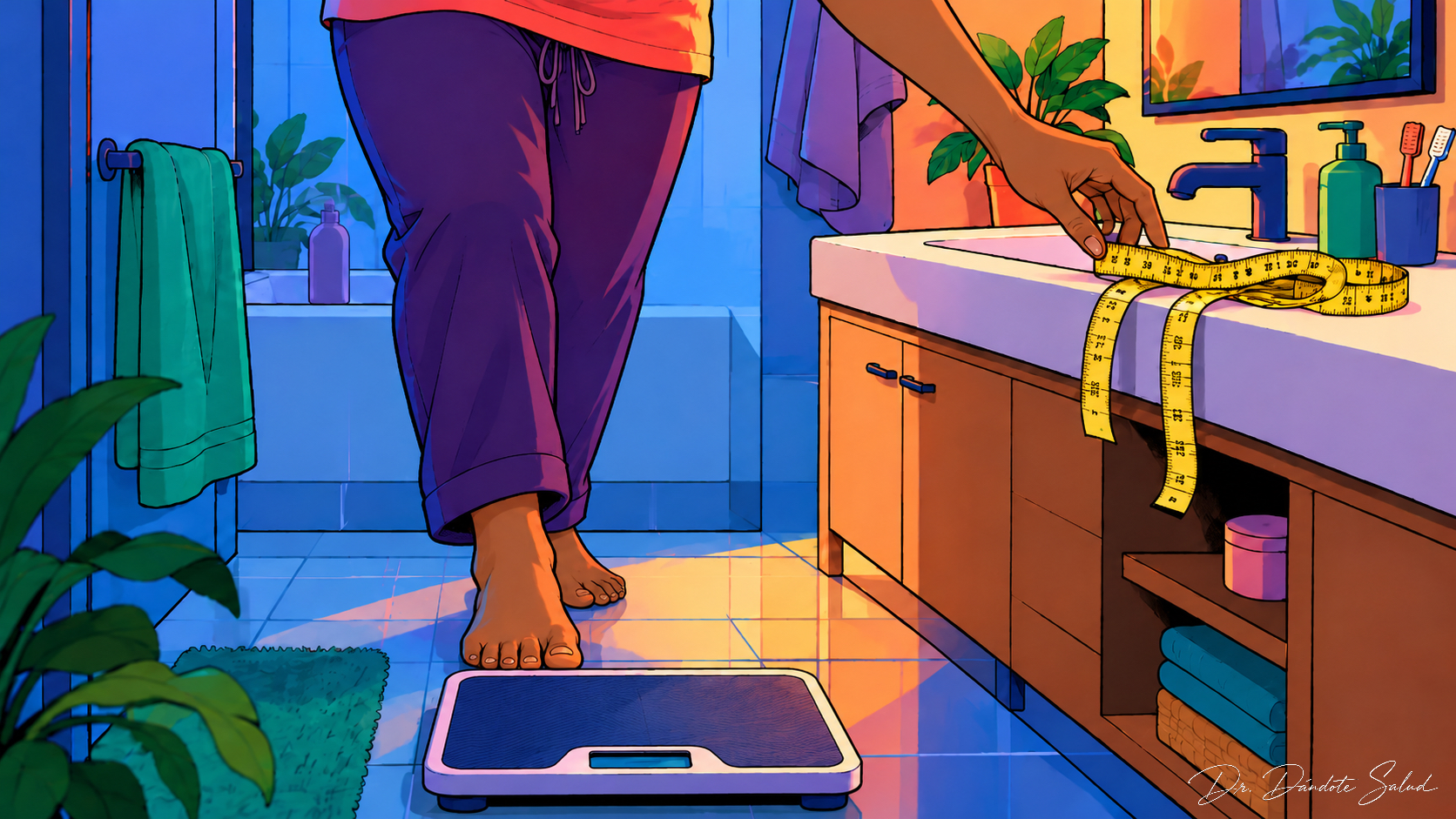
A real-life scene: beyond the “miracle shot”
“Doc, I’m barely hungry. I know I should eat protein, but after two bites I’m done. I’m scared of losing muscle… and I really don’t want to stop the medication.”
If that sounds like you, you’re not alone. GLP-1s and newer co-agonists have transformed obesity care, but they also bring a new set of challenges: nausea, constipation, low appetite, worries about nutrients, and fear of regaining weight if you ever come off the drug.
The good news: there’s a lot you can do to make this treatment safer, more effective, and sustainable.
The essentials in 5 lines
- GLP-1 medicines often cut your calorie intake by 16–39%, which raises the risk of losing muscle and missing key micronutrients if you don’t plan your eating (Mozaffarian et al., 2025; Spreckley et al., 2026).
- Your goal is not “eat as little as possible” but “protect muscle, prioritize nutrient-dense foods, stay hydrated, and manage GI side effects.”
- A practical framework is MEAL: Muscle, Energy, Avoid side effects, Liquid (Mozaffarian et al., 2025).
- If you can’t hit protein targets with food alone, evidence supports using protein supplements, meal replacements, and behavioral strategies like scheduled eating (Mehrtash et al., 2025; Nadolsky et al., 2025).
- Very rapid weight loss, weakness, hair loss, dizziness, or inability to meet even half of your nutritional needs are signals to revisit dose and plan with your care team (Kushner et al., 2025; Cederholm & Bosaeus, 2024).
1. Why what you do on GLP-1 matters so much
GLP-1s are powerful tools for a chronic disease—obesity—not magic fixes. They work best when they live inside a full lifestyle plan.
- Adherent patients in trials lose around 12–20% of starting weight, while people who stop often regain weight at roughly 0.55% of their original body weight per month (Jia et al., 2025; Madsbad & Holst, 2025).
- Up to 40% of the weight you lose can be lean mass if you don’t protect your muscles with protein and resistance training (Spreckley et al., 2026).
- In older adults, that can mean frailty, falls, and loss of independence (Mozaffarian et al., 2025).
The medication opens a therapeutic window. Your daily choices decide how much benefit you keep.
2. What GLP-1 is doing to your body
2.1 Less hunger… and sometimes fewer nutrients
With GLP-1:
- Your stomach empties more slowly.
- Satiety signals to the brain get stronger.
- You feel full earlier and often eat fewer meals.
Energy intake can drop 24–39%, which increases the risk of deficiencies in vitamin D, B12, folate, iron, zinc, calcium, magnesium, and vitamins A, E, K, and C—especially if diet quality was low to begin with (Mozaffarian et al., 2025).
2.2 Gut side effects
Most common:
- Nausea, vomiting, diarrhea, constipation, reflux.
- They show up mainly after starting or raising the dose and often ease with time and slow titration (Das et al., 2020; Kushner et al., 2025).
- There’s a modest increase in gallstones and biliary disease and a small risk of rarer issues like gastroparesis or bowel obstruction (Chiang et al., 2025; Jalleh et al., 2026).
2.3 Muscle, bone, and hydration
- Without enough protein and strength training, you lose muscle and bone density.
- A recent trial showed that GLP-1 plus exercise preserved bone mineral density, while GLP-1 alone led to bone loss (Mozaffarian et al., 2025).
- Dehydration from vomiting or diarrhea can trigger kidney problems, especially if you already have kidney disease (Kunutsor & Seidu, 2025).
3. How to take care of yourself day-to-day on GLP-1
3.1 The MEAL framework: muscle, energy, side effects, liquid
A multi-society advisory suggests organizing nutrition with the MEAL framework (Mozaffarian et al., 2025):
- M – Muscle: preserve lean mass with adequate protein and resistance training.
- E – Energy: secure enough calories and nutrients for basic function.
- A – Avoid side effects: adjust what, how much, and how fast you eat to ease GI symptoms.
- L – Liquid: stay well hydrated.
Everything below fits inside this structure.
3.2 Your real protein needs on GLP-1
During active weight loss on GLP-1:
- General target: 1.2–1.6 g/kg/day of protein (Mozaffarian et al., 2025).
- For those prioritizing maximal lean mass with heavy training: ≥2.3 g/kg/day (Nadolsky et al., 2025).
- Practical shortcut: aim for 80–120 g of protein per day for most adults, spread across 3 meals plus 1–2 snacks (Mozaffarian et al., 2025).
Practical tips:
- Start every meal with your protein.
- Use the plate method: half vegetables, a quarter protein, a quarter whole grains.
- If you fill up fast, choose high-protein, low-volume foods:
- Greek yogurt, cottage cheese.
- Eggs.
- Fish, poultry, seafood.
- Tofu, tempeh, well-cooked beans and lentils.
- Nuts, seeds, and nut butters in moderate portions.
3.3 When solid food isn’t enough: supplements and liquids
If you still can’t hit your protein goals:
1. Protein supplements
- Protein shakes, powders, and bars can fill the gap.
- Look for:
- ≥20–30 g protein per serving.
- <5 g added sugar.
- 3–5 g fiber.
- Moderate fat to avoid worsening nausea (Mehrtash et al., 2025; Nadolsky et al., 2025).
2. Liquid and soft options
Very useful when appetite is near zero:
- Smoothies with protein powder, fruit, veggies, and milk or unsweetened plant milk.
- Drinkable yogurt, kefir, lentil or chicken-vegetable soups.
- Thick purees with legumes, vegetables, and olive oil.
These are often easier to tolerate with delayed gastric emptying (Mehrtash et al., 2025).
3. Meal replacement products
The American Association of Clinical Endocrinology supports flexible use of meal replacements as part of weight-management algorithms (Nadolsky et al., 2025). They are especially helpful when:
- You’re consistently missing meals.
- You’re under 50% of your protein and calorie targets despite effort.
3.4 Behavioral strategies when you “never feel hungry”
When “I’m not hungry” is your norm, behavior becomes treatment:
- Scheduled eating: pick set meal times and eat small portions even if hunger is low (Mozaffarian et al., 2025).
- Reminders: use alarms so 10–12 hours don’t pass with no protein.
- Small, frequent meals: 5–6 smaller eating occasions instead of 2 large ones.
- Protein-first rule: eat protein first at each meal, then vegetables, then whole-grain carbs (Mozaffarian et al., 2025).
- Food tracking: apps, photos, or a notebook help you see if you’re actually hitting targets (Mehrtash et al., 2025).
If you still can’t meet at least half of your calories and protein, it’s time to rethink dose and plan with your team.
3.5 Using food to manage GI side effects
Nausea and vomiting
- Avoid: fried and greasy foods, heavy spices, very large meals, sodas, and alcohol (Mozaffarian et al., 2025; Kushner et al., 2025).
- Prefer: small portions, soft, bland, low-fat foods.
- Remember: vomiting risk goes up with meal size more than specific foods.
Constipation
- Gradually increase fiber: fruits, vegetables, legumes, oats.
- Aim for >2–3 liters of fluid per day unless your clinician says otherwise.
- Prunes, soaked chia seeds, and other high-fiber foods can help (Mozaffarian et al., 2025).
- Magnesium citrate at appropriate doses can be effective with medical guidance (Mozaffarian et al., 2025).
Diarrhea
- Avoid large, high-fat meals.
- Add soluble fiber (like psyllium) to bulk stools (Mozaffarian et al., 2025).
- Stay hydrated with water, broths, and, if needed, oral rehydration solutions.
Reflux
- Smaller portions; avoid lying down for 2–3 hours after eating.
- Limit fatty, fried, and highly spiced foods.
- Alcohol can worsen both reflux and nausea (Mehrtash et al., 2025).
Short-term use of antiemetics, acid-reducing medications, and laxatives can be appropriate when supervised by your clinician (Kushner et al., 2025).
3.6 Hydration: protecting your kidneys and heart
With less solid food and more GI symptoms, dehydration is common:
- Aim for >2–3 liters of water daily, tailored to your medical situation (Mozaffarian et al., 2025).
- Add water-rich, electrolyte-containing foods: fruits, vegetables, soups.
- Watch for red flags: dizziness, racing heart, very dark or minimal urine.
Most kidney events reported with GLP-1 appear related to volume depletion from nausea, vomiting, and diarrhea (Kunutsor & Seidu, 2025).
3.7 What to eat more of—and what to limit
Emphasize:
- Mediterranean-style, DASH, or plant-forward dietary patterns (Mehrtash et al., 2025).
- Fish, poultry, eggs, legumes, tofu, fermented dairy.
- Whole grains: oats, quinoa, brown rice.
- Colorful fruits and vegetables.
- Healthy fats: olive oil, nuts, and seeds.
Limit:
- Refined starches, sweets, sugar-sweetened beverages.
- Red and processed meats.
- Fast food and ultra-processed snacks.
- Fried foods and carbonated drinks that flare GI symptoms (Gudzune & Kushner, 2024; Mozaffarian et al., 2025).
3.8 Micronutrient monitoring
People living with obesity often start out with low levels of vitamin D, B12, folate, iron, zinc, calcium, and magnesium, even before GLP-1 (Mozaffarian et al., 2025).
Warning signs:
- Persistent fatigue.
- Excessive hair shedding.
- Dry, itchy, or fragile skin.
- Muscle weakness, unusual bruising, slow wound healing.
Approaches:
- Consider a multivitamin-mineral, vitamin D, calcium, and B12 at appropriate doses based on your clinician’s advice (Mozaffarian et al., 2025).
- Lab testing for vitamin D, iron, and B12 is reasonable with clinical suspicion or very rapid weight loss (Mehrtash et al., 2025).
3.9 Movement and strength: your muscle insurance
Without exercise, your body will use some muscle as well as fat for energy. With GLP-1 on board, that risk stays.
- Data support programs around 360 minutes/week of activity with a strong emphasis on strength training (Mozaffarian et al., 2025).
- A realistic baseline: strength training 2 days per week plus regular walking or other aerobic activity.
- For adults ≥65, simple office-based tests such as five-times-sit-to-stand, grip strength, and basic exercise tolerance help detect sarcopenia early (Kushner et al., 2025).
If these tests show a decline, your team may increase protein, adapt your exercise plan, and sometimes reassess GLP-1 dosing.
3.10 Weight-loss pace and medical monitoring
The ADA recommends (ADA, 2026):
- Assessing effectiveness and safety at least monthly for the first 3 months, then quarterly.
- Continuing long-term therapy in early responders who lose ≥5% of body weight at 3 months and tolerate treatment.
- Re-evaluating the approach when weight loss is <5% at 3 months or side effects are burdensome.
A recent evaluation suggests a safe rate of loss is about 0.5–2.0 lb (0.23–0.9 kg) per week (Wharton et al., 2025).
Monitoring should include:
- A1c, fasting glucose, lipids, blood pressure, and kidney function (Joseph et al., 2022; Kunutsor & Seidu, 2025).
- Careful reduction or discontinuation of sulfonylureas and adjustment of insulin when GLP-1 is added to avoid hypoglycemia (Davies et al., 2022).
- Eye exams for people with pre-existing diabetic retinopathy and high baseline A1c, to reduce the risk of retinopathy worsening with rapid glucose improvements (Davies et al., 2022; Jalleh et al., 2026).
3.11 When to discuss lowering the dose or changing course
Talk to your clinician promptly if:
- You lose >5% of your body weight per month or drop below a healthy weight.
- You consistently can’t meet >50% of your calorie and protein needs despite structured strategies.
- You feel faint, have palpitations, severe weakness, or trouble standing from a chair.
- You develop severe abdominal pain, persistent vomiting, jaundice, or sudden vision changes.
In many cases, a lower, more sustainable dose or slower titration is safer than pushing to the maximum approved dose at all costs (Kushner et al., 2025; Nadolsky et al., 2025).
4. What could change if you pair GLP-1 with these habits?
Picture yourself one to two years from now:
- You’ve lost weight, but you’ve kept your strength and independence.
- Your labs show better blood pressure, glucose, and cholesterol, with fewer medications overall.
- You eat less volume, but every bite works harder for your muscles, bones, and brain.
- Food feels less like a daily battle and more like a tool you can use.
That’s the heart of Dr. Dándote Salud (Here’s to better health): GLP-1 is a powerful tool, but you are the main driver. Choose health. Choose life. The small steps you take today build the future version of you that you want to live in.
I’d love to hear from you:
If you’re on a GLP-1, what’s been toughest—protein, side effects, exercise, or fear of weight regain? Share your experience in the blog comments so we can learn together.
Protein Content
| Food | Portion | Protein (grams) | Calories | References |
|---|---|---|---|---|
| ANIMAL PROTEINS – FISH AND SEAFOOD | ||||
| Salmon | 100g (cooked) | 25-27g | 206 | |
| Tuna | 100g (cooked) | 26-30g | 132 | |
| Shrimp | 100g (cooked) | 24g | 99 | |
| Tilapia | 100g (cooked) | 26g | 128 | |
| Cod | 100g (cooked) | 23g | 105 | |
| ANIMAL PROTEINS – POULTRY | ||||
| Chicken breast, skinless | 100g (cooked) | 31g | 165 | |
| Turkey breast, skinless | 100g (cooked) | 30g | 135 | |
| ANIMAL PROTEINS – EGGS AND DAIRY | ||||
| Whole egg | 1 large (50g) | 6-7g | 72 | |
| Egg whites | 3 whites (100g) | 11g | 52 | |
| Greek yogurt, plain | 1 cup (227g) | 20-23g | 130-150 | |
| Low-fat cottage cheese | 1 cup (226g) | 28g | 163 | |
| Skim milk | 1 cup (240ml) | 8g | 83 | |
| Cottage cheese | 1/2 cup (113g) | 14g | 81 | |
| PLANT PROTEINS – LEGUMES | ||||
| Lentils, cooked | 1 cup (198g) | 18g | 230 | |
| Black beans, cooked | 1 cup (172g) | 15g | 227 | |
| Chickpeas, cooked | 1 cup (164g) | 15g | 269 | |
| Pinto beans, cooked | 1 cup (171g) | 15g | 245 | |
| Edamame | 1 cup (155g) | 17g | 189 | |
| PLANT PROTEINS – NUTS AND SEEDS | ||||
| Almonds | 1/4 cup (28g) | 6g | 164 | |
| Walnuts | 1/4 cup (28g) | 4g | 185 | |
| Peanut butter | 2 tablespoons (32g) | 8g | 188 | |
| Almond butter | 2 tablespoons (32g) | 7g | 196 | |
| Chia seeds | 2 tablespoons (28g) | 5g | 138 | |
| Hemp seeds | 3 tablespoons (30g) | 10g | 166 | |
| PLANT PROTEINS – GRAINS | ||||
| Quinoa, cooked | 1 cup (185g) | 8g | 222 | |
| Oatmeal, cooked | 1 cup (234g) | 6g | 166 | |
| PROTEIN SUPPLEMENTS | ||||
| Protein shake (whey) | 1 scoop (30g) | 20-25g | 110-130 | |
| Protein bar | 1 bar (60g) | 15-20g | 200-250 |
Individual Protein Requirements Calculator
| Patient Weight | Minimum Protein (1.2 g/kg) | Optimal Protein (1.5 g/kg) | Maximum Protein (1.6 g/kg) | References |
|---|---|---|---|---|
| 60 kg (132 lbs) | 72g/day | 90g/day | 96g/day | |
| 70 kg (154 lbs) | 84g/day | 105g/day | 112g/day | |
| 80 kg (176 lbs) | 96g/day | 120g/day | 128g/day | |
| 90 kg (198 lbs) | 108g/day | 135g/day | 144g/day | |
| 100 kg (220 lbs) | 120g/day | 150g/day | 160g/day | |
| 110 kg (243 lbs) | 132g/day | 165g/day | 176g/day | |
| 120 kg (265 lbs) | 144g/day | 180g/day | 192g/day |
High-Protein Meal Examples
| Meal | Foods | Total Protein | Approximate Calories | References |
|---|---|---|---|---|
| Breakfast 1 | 2 eggs + 1 cup Greek yogurt + 1/4 cup almonds | 40g | 450 | |
| Breakfast 2 | Protein shake + 2 tbsp peanut butter + 1 banana | 35g | 450 | |
| Lunch 1 | 120g chicken breast + 1 cup quinoa + salad | 45g | 550 | |
| Lunch 2 | 120g salmon + 1 cup lentils + vegetables | 48g | 600 | |
| Dinner 1 | 120g tilapia + 1 cup black beans + broccoli | 49g | 520 | |
| Dinner 2 | 120g turkey + 1 cup chickpeas + salad | 51g | 540 | |
| Snack 1 | 1 cup cottage cheese + berries | 28g | 220 | |
| Snack 2 | 2 hard-boiled eggs + 1/4 cup walnuts | 18g | 300 |
Key Strategies for Protein Intake
Protein recommendations for patients taking GLP-1 medications are 1.2-1.6 g/kg/day during active weight loss, or alternatively 80-120 grams total daily (16-24% of a 2000-calorie diet). For adults over 65 years or those at risk of sarcopenia, at least 1.3 g/kg/day is recommended.
Joint guidelines from U.S. medical societies emphasize that protein-rich foods should be consumed first at each meal to ensure adequate intake, given that patients on GLP-1 experience early satiety.
Scientific Sources
- American Diabetes Association Professional Practice Committee. Obesity and Weight Management for the Prevention and Treatment of Diabetes: Standards of Care in Diabetes-2026. Diabetes Care. 2026;49(Suppl 1):S166-S182.
- Chavez AM, Carrasco Barria R, León-Sanz M. Nutrition Support Whilst on Glucagon-Like Peptide-1 Based Therapy. Curr Opin Clin Nutr Metab Care. 2025.
- Chiang CH, Jaroenlapnopparat A, Colak SC, et al. Glucagon-Like Peptide-1 Receptor Agonists and Gastrointestinal Adverse Events: A Systematic Review and Meta-Analysis. Gastroenterology. 2025.
- Cederholm T, Bosaeus I. Malnutrition in Adults. N Engl J Med. 2024.
- Das SR, Everett BM, Birtcher KK, et al. 2020 Expert Consensus Decision Pathway on Novel Therapies for Cardiovascular Risk Reduction in Patients With Type 2 Diabetes. J Am Coll Cardiol. 2020.
- Davies MJ, Aroda VR, Collins BS, et al. Management of Hyperglycemia in Type 2 Diabetes, 2022. Diabetes Care. 2022;45(11):2753-2786.
- Gudzune KA, Kushner RF. Medications for Obesity: A Review. JAMA. 2024.
- Jalleh RJ, Talley NJ, Horowitz M, Nauck MA. The Science of Safety: Adverse Effects of GLP-1 Receptor Agonists as Glucose-Lowering and Obesity Medications. J Clin Invest. 2026.
- Jia IT, Bloomfield GC, Chen MY, et al. Analysis of the Long-Term Impact of GLP-1 Receptor Agonists for Control of Obesity and Obesity-Related Comorbidities: A Meta-Analysis. Surg Endosc. 2025.
- Joseph JJ, Deedwania P, Acharya T, et al. Comprehensive Management of Cardiovascular Risk Factors for Adults With Type 2 Diabetes. Circulation. 2022.
- Kushner RF, Almandoz JP, Rubino DM. Managing Adverse Effects of Incretin-Based Medications for Obesity. JAMA. 2025.
- Kunutsor SK, Seidu S. Safety and Tolerability of Glucagon-Like Peptide-1 Receptor Agonists: A State-of-the-Art Narrative Review. Drugs. 2025.
- Mehrtash F, Dushay J, Manson JE. Integrating Diet and Physical Activity When Prescribing GLP-1s—Lifestyle Factors Remain Crucial. JAMA Intern Med. 2025.
- Mozaffarian D, Agarwal M, Aggarwal M, et al. Nutritional Priorities to Support GLP-1 Therapy for Obesity. Am J Clin Nutr. 2025.
- Nadolsky K, Garvey WT, Agarwal M, et al. AACE Consensus Statement: Algorithm for the Evaluation and Treatment of Adults With Obesity/Adiposity-Based Chronic Disease – 2025 Update. Endocr Pract. 2025.
- Spreckley M, Ruggiero CF, Brown A. Nutrition Strategies for Next-Generation Incretin Therapies: A Systematic Scoping Review. Obes Rev. 2026.
- Wharton S, Lingvay I, Bogdanski P, et al. Oral Semaglutide at a Dose of 25 mg in Adults with Overweight or Obesity. N Engl J Med. 2025.
Table references
- Nutritional Priorities to Support GLP-1 Therapy for Obesity: A Joint Advisory From the American College of Lifestyle Medicine, the American Society for Nutrition, the Obesity Medicine Association, and the Obesity Society. The American Journal of Clinical Nutrition. 2025. Mozaffarian D, Agarwal M, Aggarwal M, et al.
🌍 This article is also available in Spanish. Please use the language switcher in the top menu.
Discover more from Dr. Dándote Salud
Subscribe to get the latest posts sent to your email.